
Cybersecurity used to be about defending your perimeter.
For most CISOs today, it’s about defending your entire ecosystem. The real challenge sits well beyond the firewall — in vendors and suppliers, software dependencies, cloud services, regional subsidiaries and the fourth parties no one mapped properly until an incident forced the issue.
The CISO’s job has now expanded faster than most organizations have adapted to. Which is why boards, regulators and customers are asking the same question from different angles:
Can you quantify your exposure and prove you’re managing it?
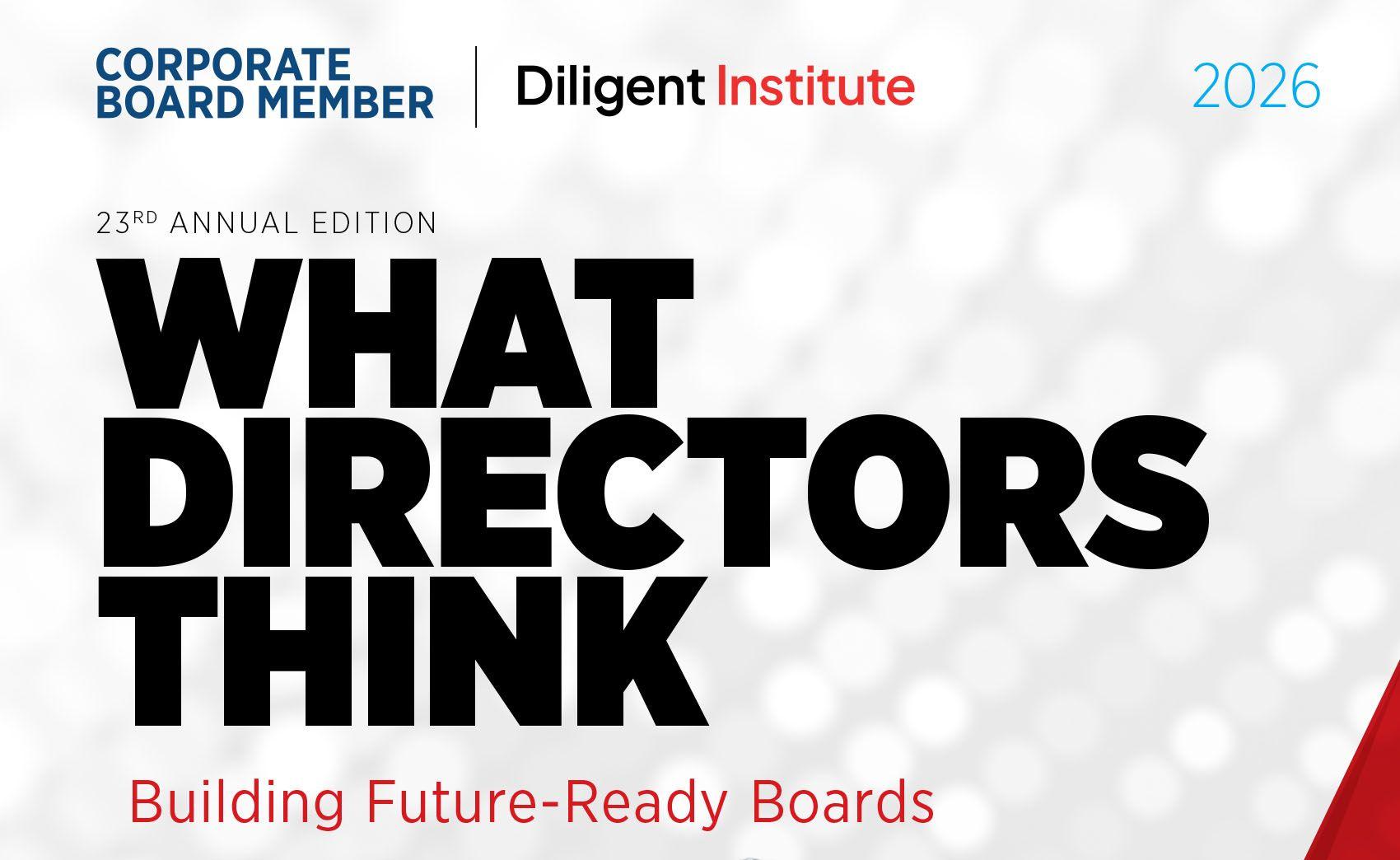
That question is getting sharper and board expectations are rising fast: 63% of directors now include cyber events in crisis-planning scenarios, yet only 28% classify cybersecurity as a top organizational risk — creating a clear mandate for CISOs to translate technical threats into business-ready decisions.
Third-party ecosystems are expanding at the same time that:
Traditional vendor questionnaires can’t keep up. Static risk scores can’t explain trade-offs. And “we’re working on it” isn’t board-ready.
What's emerging is continuous, AI-powered visibility. Not because it’s trendy, but because it’s the only way to scale without linear headcount growth.
Directors see the exposure too: 10% cite third-party and supply-chain compliance failures as one of the biggest risks facing their organizations — further proof that vendor ecosystems aren’t just a “security” issue, but an enterprise-risk issue.
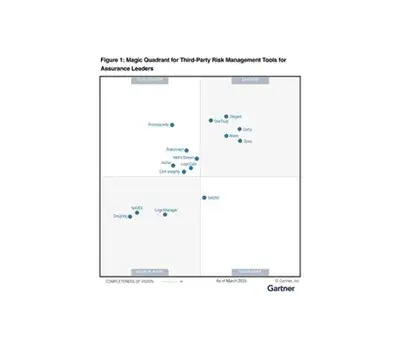
Given the ever-expanding risk of doing business today, third-party programs are shifting from periodic review to continuous scoring.
With AI-powered monitoring, organizations can operationalize always-on vendor risk: scores update in real time, multi-region workflows catch gaps, a unified portal cuts chase cycles and structured reporting turns scattered data into decision-ready insights.
That’s how chaos becomes clarity, giving CISOs a real-time view of:
It's also how you keep pace with AI-driven threats and vendor churn without turning your security team into a questionnaire factory.
Now you have something CISOs desperately need: a living view of third-party exposure, not a stale snapshot.
Even when CISOs have strong technical visibility, board conversations often stall on translation.
CVEs (common vulnerabilities and exposures) and severity ratings rarely help at the board level. What directors want instead is:
That’s why enterprise risk management equipped with native AI matters for cyber leadership. It helps translate technical risk into quantified business impact aligned to enterprise objectives and ERM frameworks.
It also supports the moment every risk leader recognizes: when the room leans in during discussions of risk control matrices — because control design is where governance becomes real. It’s where you connect security activities to business assurance.
Join the leaders shaping what’s next in GRC. Elevate 2026 gives you the insights, playbooks and AI know‑how to lead with confidence this year.

Cyber risk doesn’t live in a CISO slide deck anymore. It lives inside the enterprise risk narrative.
When the integration between the risk management system and the digital boardbook is in place, directors see cyber exposure alongside broader enterprise risks — with consistent framing, comparable metrics and clear action paths.
That’s especially powerful in organizations where GCs are becoming the orchestrators of risk reporting. Instead of cyber being “the security update,” it becomes part of a connected governance story: cyber, third-party, compliance, operational resilience — all informing the same decisions.
With quantified, decision-ready cyber context, boards can actively weigh trade-offs and make informed choices. They see the tension between:
That’s what true oversight looks like, and what today’s CISOs have to enable.
See how Diligent IT Compliance, IT Vendor Risk Management and ERM work together to quantify exposure, automate controls and keep your board in the loop in real time — request a demo.